
Underrated Rock Guitarists of the 90s: 10 Players Who Deserve Way More Credit
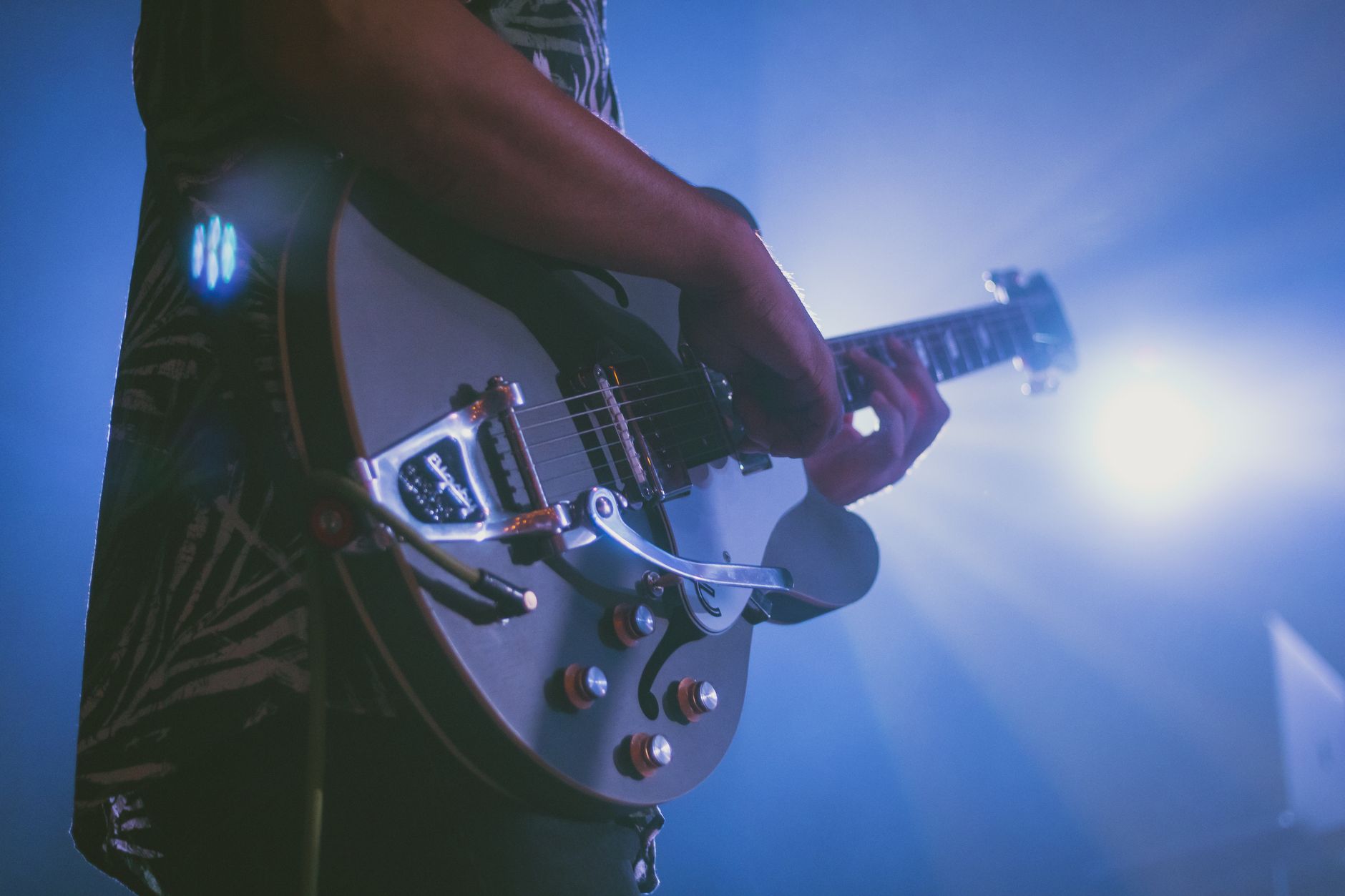
The 90s are having a serious moment again. Between anniversary reissues, reunion tours, and younger bands openly channeling everything from shoegaze to post-hardcore, a lot of listeners are revisiting the decade with fresh ears. That makes this the perfect time to talk about the underrated rock guitarists of the 90s—the players who shaped the sound of the era without always getting the same spotlight as the biggest household names.
When people talk about 90s guitar, the conversation usually stops at the obvious icons. But the decade was packed with guitarists who were doing something more interesting than just soloing fast or recycling classic-rock moves. These players built textures, invented new approaches to rhythm, and made songs feel bigger, stranger, and more emotionally charged. If you care about rock history, songwriting, or guitar tone, this list is a reminder that the 90s were much deeper than the usual highlight reel.
Why the 90s Produced So Many Overlooked Guitar Greats
The 90s were weird in the best possible way. Rock splintered into alternative, grunge, Britpop, indie, shoegaze, noise rock, post-hardcore, nu metal, and a dozen other lanes. That fragmentation meant a lot of brilliant guitarists never became mainstream celebrities, even when their influence was huge.
A few reasons so many great players slipped under the radar:
- The anti-virtuoso shift: After the 80s shred era, many bands prized feel, texture, and songwriting over technical flash.
- Scene-driven fame: A guitarist could be legendary in indie or college rock circles while remaining invisible to casual radio listeners.
- Band-first dynamics: Many 90s guitarists served the song instead of branding themselves as solo stars.
- Overshadowing frontpeople: In a decade full of magnetic singers, guitar heroes often became the secret weapon rather than the face of the band.
That’s exactly why the underrated rock guitarists of the 90s are worth revisiting now. Their work still sounds modern because so much of today’s alternative and heavy music borrows directly from their ideas.
10 Underrated Rock Guitarists of the 90s You Should Revisit
1. Dean Wareham — Galaxie 500 / Luna
Dean Wareham never played like he was trying to impress other guitarists, and that’s the point. His work with Galaxie 500 helped define slowcore and dreamier indie guitar: spare lines, reverb-heavy leads, and a melodic restraint that made every note count. In Luna, he refined that style into something warmer and more elegant. If you want to understand how minimal guitar playing can still be unforgettable, start here.
Listen to: “Strange,” “Tugboat,” “California (All the Way)”
2. J Mascis — Dinosaur Jr.
J Mascis is respected, but he’s still oddly under-credited outside guitar-nerd circles. His mix of fuzz, feedback, and classic-rock melodicism basically created a blueprint for indie guitar in the 90s and beyond. He could sound chaotic and completely controlled at the same time. Few players made noise feel this musical.
Listen to: “Start Choppin’,” “Feel the Pain,” “Out There”
3. Page Hamilton — Helmet
Page Hamilton brought discipline to heaviness. His riffs were tight, syncopated, and almost architectural, helping shape the sound of 90s alternative metal and post-hardcore. He wasn’t just heavy—he was precise. That combination influenced a generation of bands that wanted aggression without sloppiness.
Listen to: “Unsung,” “In the Meantime,” “Milquetoast”
4. Kevin Shields — My Bloody Valentine
Yes, he’s revered in certain circles, but in broader rock conversations Kevin Shields is still not mentioned enough as one of the decade’s true innovators. His “glide guitar” technique, tremolo manipulation, and layered production changed what rock guitar could sound like. He didn’t just write riffs—he built entire environments.
Listen to: “Only Shallow,” “When You Sleep,” “Soon”
5. Kim Thayil — Soundgarden
Soundgarden had a huge singer and a massive rhythm section, which sometimes pushed Kim Thayil’s brilliance into the background. That’s a mistake. His drop-tuned riffs, odd time signatures, psychedelic textures, and lead work were central to the band’s identity. He made heavy music feel strange, smart, and unstable in the best way.
Listen to: “Rusty Cage,” “Outshined,” “4th of July”
6. Tom Morello — Rage Against the Machine
Morello is famous, but he’s still underrated as a pure guitarist because people often focus on the gimmicks. The truth is that his real genius was musical imagination. He treated the guitar like a turntable, a synth, a siren, and a protest sign all at once. In the 90s, almost nobody else was expanding the instrument’s vocabulary that aggressively.
Listen to: “Bulls on Parade,” “Killing in the Name,” “Sleep Now in the Fire”
7. Dave Navarro — Jane’s Addiction / Red Hot Chili Peppers
Dave Navarro brought a sleek, dark, art-damaged edge to 90s rock guitar. His playing could be flashy, but it was always stylish and song-aware. With Jane’s Addiction, he helped define alternative rock’s more dangerous, theatrical side. His work remains a masterclass in how to sound distinctive without overcrowding a track.
Listen to: “Been Caught Stealing,” “Mountain Song,” “My Friends”
8. Buzz Osborne — Melvins
Buzz Osborne is one of the most important heavy guitarists of the decade, full stop. His riffs were ugly, massive, and weirdly catchy, laying groundwork for sludge, grunge, doom, and experimental metal. Plenty of louder, more commercially successful bands borrowed from his playbook while he stayed cult-famous.
Listen to: “Honey Bucket,” “Hooch,” “Revolve”
9. Stephen Malkmus — Pavement
Stephen Malkmus made slack sound sophisticated. His guitar style was full of crooked melodies, offhand hooks, and unexpected turns that made indie rock feel loose but intentional. He proved you didn’t need polished virtuosity to write guitar parts that stick in your head for decades.
Listen to: “Cut Your Hair,” “Gold Soundz,” “Summer Babe”
10. Adam Jones — Tool
Adam Jones often gets discussed in terms of atmosphere and visuals, but his guitar playing deserves more attention on its own. His use of drop-D riffing, texture, and tension helped define a more cerebral kind of heavy rock. He understood that repetition, space, and tone could be just as powerful as speed.
Listen to: “Sober,” “Schism,” “Ænema”
What Made These Guitarists So Influential
The best thing about the underrated rock guitarists of the 90s is that they weren’t all trying to do the same job. Some were riff architects. Some were texture obsessives. Some were songwriters first and soloists second. That variety is exactly why the decade still feels rich today.
A few common threads show up again and again:
- Tone mattered as much as technique: Fuzz, chorus, delay, alternate tunings, and odd amp choices became part of the songwriting.
- Rhythm got more creative: Odd meters, syncopation, and groove-heavy riffs pushed rock beyond standard bar-band patterns.
- Noise became a feature, not a flaw: Feedback, dissonance, and abrasion were used intentionally.
- Guitar served the song: Even the most adventurous players usually sounded like they were building a world for the band, not auditioning for a solo record.
That’s a big reason these guitarists still resonate with modern players. If you listen to current alternative, shoegaze revival, post-hardcore, or heavy indie bands, you’ll hear their fingerprints everywhere.
How to Explore Their Playing Like a Musician, Not Just a Fan
If you want to get more out of these players, don’t just stream the hits and move on. Listen actively.
Try this approach:
- Pick one guitarist and one album. Don’t bounce around too much at first.
- Listen for rhythm before lead. A lot of 90s innovation lives in the riffs and transitions.
- Track the tone. Ask what’s clean, what’s fuzzed out, what’s layered, and what’s barely there.
- Learn one song by ear. Even a rough transcription teaches you more than passive listening.
- Compare studio and live versions. You’ll hear how much of the magic came from arrangement and dynamics.
If you play guitar yourself, this is also a smart way to break out of generic modern-rock habits. The 90s were full of players who sounded like themselves immediately, and that’s still the hardest thing to do.
Why These Guitarists Matter More Than Ever
The renewed interest in 90s rock isn’t just nostalgia. It’s a correction. For years, the decade was flattened into a handful of big names and a few overplayed radio staples. But the deeper you go, the clearer it becomes that the underrated rock guitarists of the 90s helped shape the sound of modern rock in ways that still haven’t been fully absorbed.
If you’re building playlists, digging into band history, or looking for guitar inspiration that goes beyond the usual canon, start with these players. They made rock stranger, heavier, prettier, and more interesting—and they did it without always getting the credit they deserved. That’s exactly why they’re worth celebrating now.