How to Start a Rock Band in 2026: The Complete Beginner's Roadmap
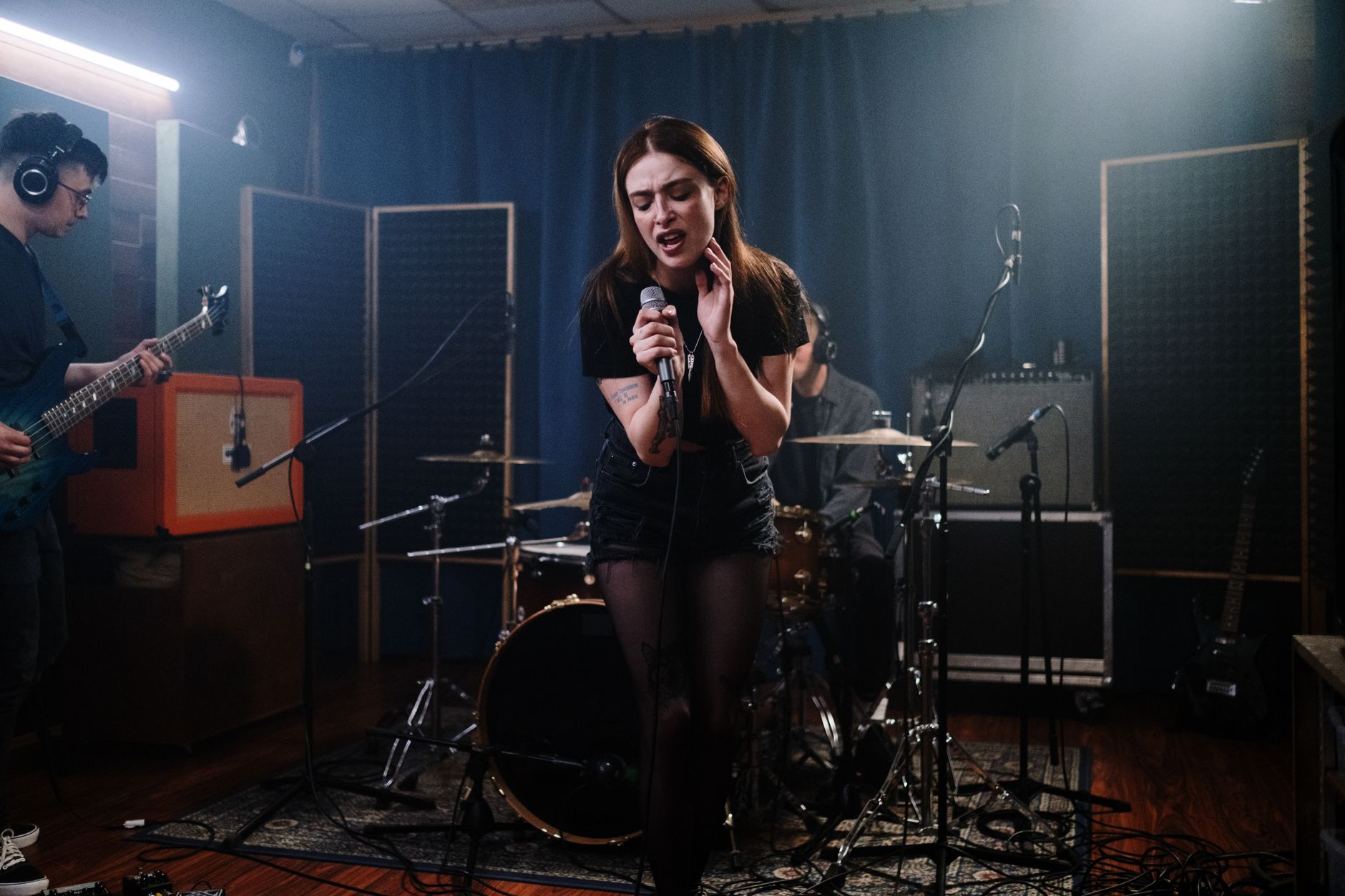
The rock landscape in 2026 looks radically different than it did just eighteen months ago. With AI-generated tracks flooding streaming platforms and major labels scrambling to sign “authentic” human acts, there has never been a better time to grab a guitar and make some noise. The industry is experiencing a raw, back-to-basics renaissance—vinyl sales continue to outpace digital for the first time in decades, and TikTok’s algorithm is currently favoring gritty, live-room recordings over polished studio perfection. If you’ve been waiting for a sign to learn how to start a rock band, this is it.
But here’s the reality check: starting a band isn’t just about learning three chords and finding a garage anymore. Today’s successful new acts need to navigate hybrid rehearsal setups, decentralized collaboration tools, and a local scene that’s still rebuilding after the venue closures of the early 2020s. This guide cuts through the noise to give you a practical, 2026-ready blueprint for launching a rock band that actually lasts past the first argument about setlists.
How to Start a Rock Band: Finding Your Core Lineup
The biggest mistake aspiring musicians make is recruiting based solely on technical skill. In 2026, chemistry and reliability matter more than being the next Jimmy Page. You need bandmates who show up on time, share your work ethic, and won’t flake when you book that first out-of-town show.
Start by defining your non-negotiables. Are you a weekend warrior project or a “tour until we make it” operation? Post specific ads on BandMix, JoinMyBand, or local Facebook groups—vague posts like “seeking musicians for rock project” attract vague people. Instead, write: “Seeking bassist for 90s-influenced alt-rock band, rehearsing Tuesdays in East Nashville, goal: 2 local shows by March.”
Consider the modern “hybrid” approach. Many successful 2026 bands started with remote collaboration before ever sharing a physical space. Use tools like BandLab or Soundtrap to exchange demos with potential members before committing to weekly rehearsals. This filters out the flakes early and ensures everyone actually likes the music before investing in gas money.
The magic number: Most rock bands function best with 3-4 members. Five-piece bands face scheduling nightmares and split profits five ways; duos often lack the sonic fullness modern rock demands. Aim for guitar, bass, drums, and vocals—add a second guitarist only if the songwriting truly requires it.
Gear Up Without Going Broke
You don’t need a wall of Marshall stacks to start a rock band, but you do need reliable equipment that won’t die mid-set. The current gear market favors the savvy buyer—used prices have dropped significantly since the pandemic-era surge, and digital modeling technology has reached a point where a $400 setup can sound stadium-ready.
Essential starter kit for 2026:
- Guitarists: A solid-state or digital modeling amp (Positive Grid Spark 40 or Boss Katana-50) offers versatility for practice and small venues without the maintenance of tube amps
- Bassists: A lightweight combo amp (Fender Rumble 40) with DI output for direct PA connection
- Drummers: Consider an electronic kit (Roland TD-07KV) for apartment-friendly practice, but budget for an acoustic kit rental for actual gigs
- Everyone: In-ear monitors (even budget wired options like the KZ ZSN Pro) save your hearing and help you hear each other in loud rehearsal spaces
Skip the boutique pedals for now. Modern multi-effects units like the Line 6 Helix LT or even the humble Zoom G1 Four provide every sound you need for under $500. Spend your remaining budget on a decent PA system—most venues expect bands to provide their own vocal reinforcement in 2026, and a used QSC K10.2 or Yamaha DBR10 will pay for itself after three gigs.
Crafting Your Sound in the Digital Age
Here’s where most new bands fail: they try to sound like everyone else. The current rock scene rewards specificity. Are you the band that sounds like Turnstile covering Tom Petty? The stoner-rock trio with synths? The post-punk revivalists with a cello? Define your lane early.
The 5-Song Rule: Before you play a single show, write and demo five original songs. Not three, not seven—five. This gives you enough material for a 25-minute opening slot while forcing you to develop a cohesive sound. Record these demos using your phone or a simple USB interface; the goal is arrangement reference, not sonic perfection.
Rehearse smarter, not longer. Two 90-minute focused sessions per week beat one four-hour marathon where everyone gets drunk and argues about the bridge in song three. Use the first 30 minutes for individual warm-ups, the next 45 for tightening existing material, and the final 15 for new ideas. Always record rehearsals—voice memo apps work fine—and actually listen back before the next session.
Setlist strategy for beginners: Open with your second-best song, close with your best. The opener grabs attention while allowing you to settle nerves; the closer leaves them wanting more. Never open with a brand-new song you’ve never played live.
Booking Your First Gig in 2026
The live music circuit has changed dramatically. Traditional “pay-to-play” schemes have largely collapsed, replaced by venue partnerships where bands split door revenue after a modest guarantee. Your first gig won’t be at the legendary club downtown—it’ll be at a brewery, a DIY space, or a Tuesday night open mic with a backline provided.
Start local, but think strategically. Research venues that actually book your genre. A doom metal band has no business playing the acoustic coffeehouse, and a pop-punk act will bomb at the jazz bar. Use Indie on the Move or Bandsintown for Artists to identify venues with 100-300 capacity that host similar acts.
The modern press kit: You need three things to book shows in 2026: a 30-second live video (shot horizontally on a phone is fine), streaming links to your demos, and a one-sheet with your logo and contact info. That’s it. Venues don’t want your life story; they want proof you won’t empty the room.
Book your first show 6-8 weeks out. This gives you time to promote properly without losing momentum. Promote through Instagram Reels and TikTok—specifically, vertical video content showing your rehearsal process, gear setups, and band personalities. In 2026, venues check your social engagement more than your demo quality; they want to know you can bring 20 people through the door.
Building Momentum That Lasts
The bands that survive their first year share one trait: they treat the band like a business from day one. Open a separate bank account for band funds. Create a shared Google Drive for lyrics, setlists, and contracts. Decide early how you’ll split songwriting credits—this conversation is awkward now but divorce-level ugly later.
Release music strategically. Don’t dump all five demos on Spotify immediately. Release one single every six weeks, accompanied by a visualizer or lyric video. This keeps your name in the algorithm and gives you content for social media between shows.
Network horizontally, not vertically. Don’t waste time trying to get opening slots for national acts yet. Instead, build relationships with other local bands at your level. Share bills, share gear, share fans. The band you trade shows with today might be the band that takes you on tour in 2027.
Conclusion
Learning how to start a rock band in 2026 requires equal parts musical passion and entrepreneurial hustle. The tools have changed—digital collaboration, algorithmic promotion, and hybrid gear setups are now standard—but the core mission remains the same: find your people, make noise that matters, and get it in front of live bodies.
Start this week. Post that musician wanted ad. Write that first riff. The rock scene needs new blood now more than ever, and the barriers to entry have never been lower. Your future fans are waiting—go make some noise they’ll never forget.