Compare Rock Streaming Services Hi-Res Audio: Which Platform Actually Delivers the Grit?
The summer festival season is peaking, and if you’ve been following our Rock News Roundup — Rock Music News, Reviews, and Tour Updates, you know that 2026 has delivered some of the most sonically ambitious rock records in years. From the crushing dynamics of the new Sleep album to the layered production on the latest Tool companion EP, these releases weren’t mixed for cheap earbuds. They were built for systems that can handle the full frequency spectrum.
Yet here’s the frustration: most rock fans are streaming these albums through platforms that quietly strip away the detail their favorite engineers spent months perfecting. If you’re ready to compare rock streaming services hi-res audio options and actually hear what your collection is supposed to sound like, this breakdown is for you. No generic tech review — just what matters for rock, metal, and everything loud.
Why Hi-Res Audio Actually Matters for Rock (Not Just Jazz and Classical)
There’s a persistent myth that high-resolution audio only benefits acoustic recordings and quiet genres. Anyone who has cranked Master of Reality or Lift Your Skinny Fists Like Antennas to Heaven through a proper system knows that’s nonsense.
Rock and metal are uniquely demanding on streaming codecs. Dense guitar layers, rapid dynamic shifts, and sub-bass rumble from tuned-down instruments all stress lossy compression. Standard Spotify’s 320 kbps Ogg Vorbis and Apple Music’s standard AAC can introduce audible artifacts in the most critical moments — that cymbal decay during a crescendo, the texture of a tube amp breaking up, the separation between two distorted guitars panned hard left and right.
Hi-res audio, typically defined as lossless CD-quality (16-bit/44.1 kHz) or above, preserves this information. For rock specifically, the benefits show up in:
- Drum transients: The crack of a snare or the attack of a crash cymbal stays crisp, not smeared
- Guitar harmonics: Overtones from complex chords and feedback sustain their character
- Low-end definition: Tuned-down riffs (think stoner doom, djent, modern post-hardcore) maintain pitch clarity instead of becoming muddy rumble
- Dynamic range: Quiet verses actually sound quiet, making the choruses hit harder — the way the mix intended
The Contenders: What Each Service Actually Offers Rock Fans
Let’s compare rock streaming services hi-res audio capabilities with specifics that matter for your library.
Tidal: The Rock-Centric Catalog with Real Hi-Res Depth
Tidal’s Max tier (formerly HiFi Plus) streams up to 24-bit/192 kHz FLAC and includes MQA-encoded content, though the platform has been shifting toward pure FLAC since 2024’s MQA controversy. For rock listeners, Tidal’s real strength is its editorial curation and catalog depth.
The rock-specific advantages:
- Extensive classic rock and metal catalog in true hi-res, including remasters from Rhino, Mobile Fidelity Sound Lab, and Analogue Productions
- “Tidal Rising” spotlights underground rock and metal acts with full lossless streams
- Robust live album selection — many official bootlegs and concert recordings in hi-res
The catch: At $10.99/month for Max (or $19.99 for the full tier with Dolby Atmos), it’s not cheap. The desktop app has improved but still frustrates some users with navigation. And MQA’s partial unfolding on non-MQA DACs means some “hi-res” files may not deliver their full resolution without compatible hardware.
Qobuz: The Audiophile’s Secret Weapon for Rock Discovery
Qobuz doesn’t have Tidal’s marketing budget, but it’s become the preferred platform for listeners who prioritize audio quality over algorithm-driven discovery. The Studio tier ($12.99/month or $10.83/month annually) offers true 24-bit/192 kHz FLAC without proprietary wrappers.
What works for rock fans:
- Exceptional classical and jazz catalog gets the headlines, but Qobuz’s rock and metal selection has expanded dramatically since 2024
- Download store integration: buy hi-res files of albums that streaming licenses make temporarily unavailable
- Editorial content includes detailed recording credits — essential for fans who follow producers like Steve Albini, Kurt Ballou, or Ross Robinson
- No MQA complexity; if it says 24/96, you’re getting 24/96
The limitation: Smaller user base means weaker social features and playlist sharing. If discovering rock through friend recommendations matters to you, Qobuz feels more isolated.
Apple Music: The Practical Choice with Growing Lossless Rock Catalog
Apple Music added lossless and hi-res tiers at no extra cost in 2021, making it the value leader. At $10.99/month (or $5.99 with Apple One bundles), it’s difficult to beat on price.
Rock-relevant details:
- Catalog-wide lossless rollout means most rock albums, not just select titles, stream in at least CD quality
- Apple Digital Masters program includes many modern rock and metal releases mastered specifically for the format
- Spatial Audio with Dolby Atmos has produced genuinely impressive rock mixes — the recent Atmos version of The Dark Side of the Moon and several Pearl Jam reissues demonstrate the format’s potential for immersive rock
The compromise: True hi-res (above 48 kHz) requires external DACs on most devices; iPhones and Macs downsample internally. The Apple Music app doesn’t clearly distinguish between lossless, hi-res lossless, and Atmos versions, forcing you to dig through settings. And for rock fans with extensive local files, Apple Music’s library management remains less flexible than competitors.
Spotify: Still Waiting for Lossless in 2026
Spotify announced “Spotify HiFi” in February 2021. We’re now in mid-2026, and the feature still hasn’t fully materialized for standard subscribers. The recently launched “Spotify Premium Pro” at $14.99/month includes lossless, but rollout remains incomplete and the codec specifics remain vague.
For rock listeners, this matters because:
- Spotify’s recommendation engine and social features remain unmatched for music discovery
- The “Loud” normalization setting, popular among rock fans, actively reduces dynamic range — the opposite of what hi-res promises
- Without confirmed lossless, you’re still streaming at 320 kbps maximum, which shows its limits on complex rock productions
Verdict: If you’re comparing rock streaming services hi-res audio specifically, Spotify currently doesn’t compete. Keep it for discovery, but not for critical listening.
The Hardware Reality: Don’t Waste Your Money on the Wrong Setup
Here’s where most “hi-res audio” articles fail rock fans: they ignore the playback chain. Streaming 24-bit/192 kHz files through $30 Bluetooth earbuds is like projecting IMAX footage on a phone screen.
Minimum viable rock hi-res setup:
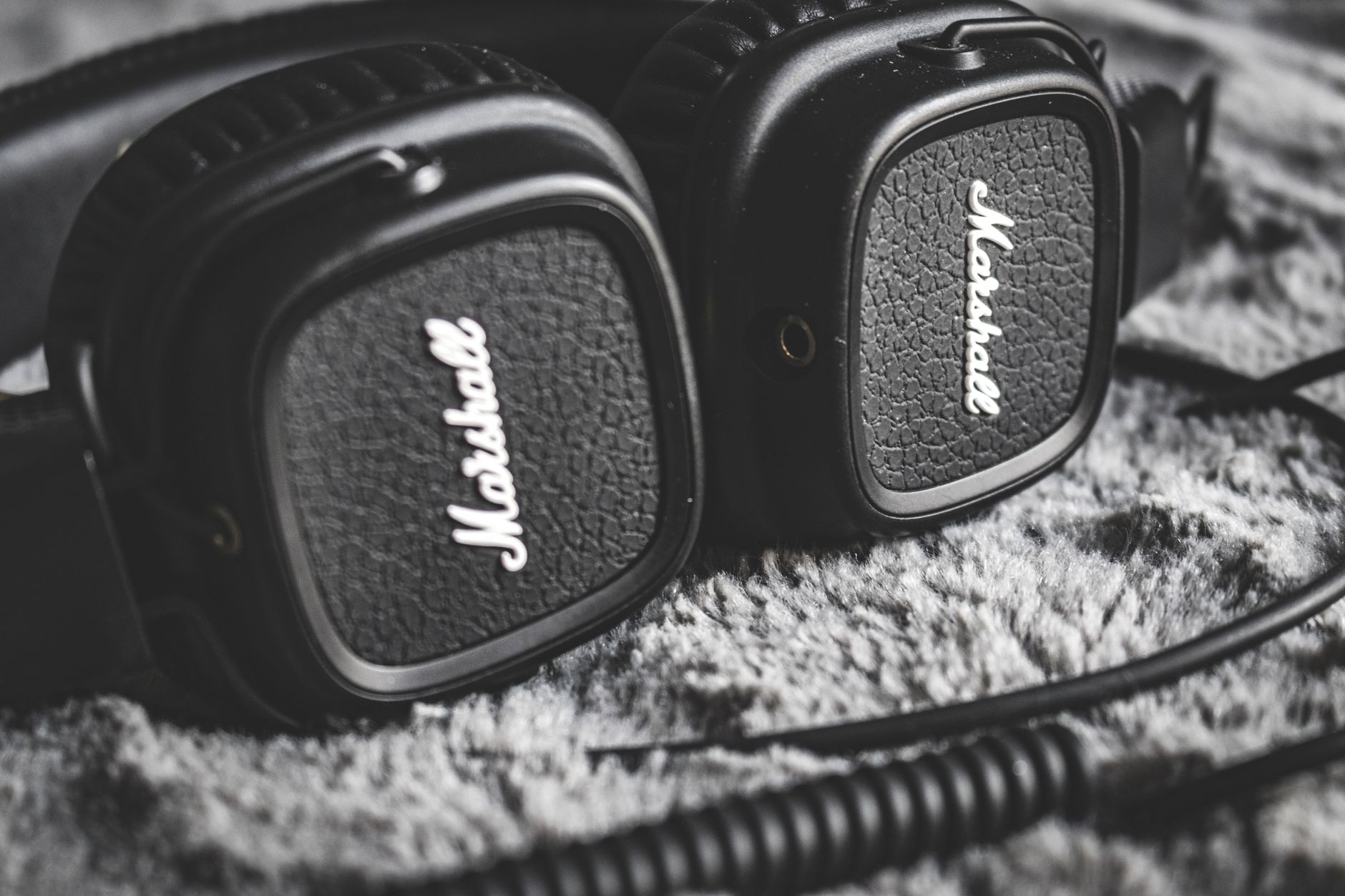
- Wired headphones or IEMs: Bluetooth’s inherent compression negates hi-res benefits. Even entry-level wired options like the Sennheiser HD 560S ($129) or Moondrop Aria IEMs ($79) reveal meaningful differences
- Dedicated DAC for mobile: Apple and Android devices have improved, but a portable DAC like the AudioQuest DragonFly or iFi GO link ($59-99) ensures bit-perfect playback
- Desktop system: For home listening, even modest setups (Schiit Modi + Magni stack, $228 total) transform hi-res rock streams compared to motherboard audio
The test that matters: Load the same album on Spotify (320 kbps) and Qobuz (24-bit/96 kHz). Try Mastodon’s Crack the Skye, Opeth’s Blackwater Park, or anything from the recent Swans catalog. Focus on the 30-60 second mark of any dense passage. The hi-res version reveals individual guitar layers, clearer bass definition, and less “congestion” when multiple instruments hit simultaneously.
How to Choose Based on Your Rock Listening Habits
The catalog obsessive: Qobuz or Tidal, depending on whether you prioritize pure audio specs (Qobuz) or remaster availability and live recordings (Tidal).
The Apple ecosystem user already paying for iCloud/Apple TV: Apple Music is the practical default. Just add a cheap external DAC and enable lossless in settings.
The discovery-first listener: Keep Spotify for finding new bands, but maintain a hi-res subscription for albums you actually love. Many serious rock fans run two services.
The budget-conscious: Apple Music’s included lossless makes it the starter choice. Upgrade hardware before upgrading services.
Final Thoughts: The Format Wars Are Over, But Your Ears Still Matter
The industry has finally settled on FLAC and standard hi-res delivery. The remaining battle is personal: whether you’ll invest in hearing your music properly.
When you compare rock streaming services hi-res audio options, you’re really deciding how much you value the work of the producers, engineers, and musicians who built these recordings. Rock music, with its emphasis on raw energy and sonic texture, arguably benefits more from lossless delivery than genres that were never meant to be examined this closely.
Start with Apple Music if cost matters, graduate to Qobuz or Tidal when you’re ready to build a dedicated listening space, and don’t forget that the headphones matter more than the logo on your streaming app. The best rock news and tour coverage — including our ongoing Rock News Roundup — means more when you can hear the details in the records themselves.